Why Camp Still Matters in a Digital World
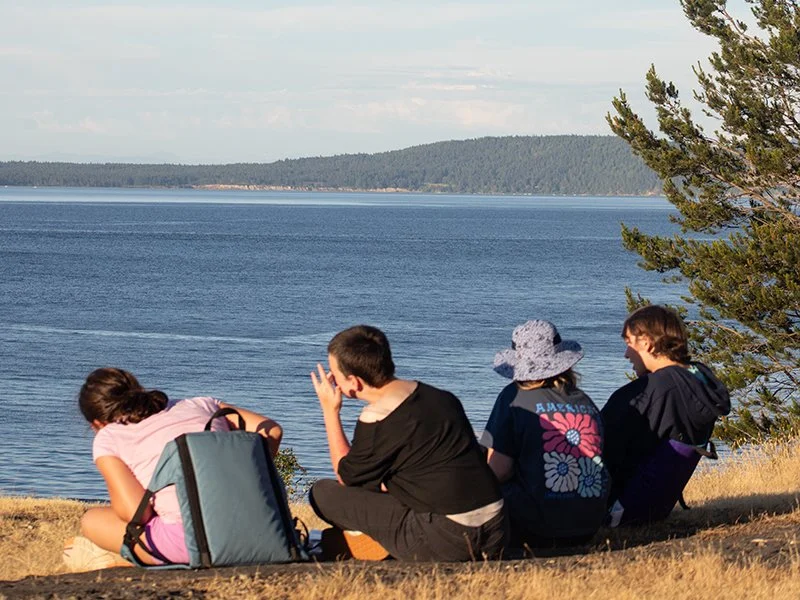
In the past couple of years you may have heard the phrase “touch grass.” It’s a phrase used to advise someone to step away from their screen, log off, and reconnect with the real world. At Camp Nor’wester, there are opportunities aplenty to touch grass. Upon arrival, campers turn-in their phones and other devices. Older campers often say that although it’s hard to disconnect for a month, this annual screen-free time is something they’ve learned to deeply appreciate.
Kids today are growing up in a world that is more connected than ever. For many pre-teens and teens, social media is a daily part of how they communicate, create, learn, and stay connected with friends. According to Pew Research Center, most teens use platforms like YouTube, TikTok, Instagram, and Snapchat daily. A 2023 Gallup poll found that the average American teenager spends at least 4 hours a day on social media alone, that doesn’t account for the time they spend on screens at school, watching TV, or texting. At the same time, the Pew Research Center has found that many young people recognize that being constantly connected can feel like a lot; 45% of teens surveyed said they spend too much time on social media.
Technology can be a meaningful tool for creativity and connection, but growing up also requires opportunities to practice skills that happen away from screens: building relationships in person, navigating challenges, trying something new, and learning who you are.
That is where camp comes in.
Embracing a Screen-Free Summer
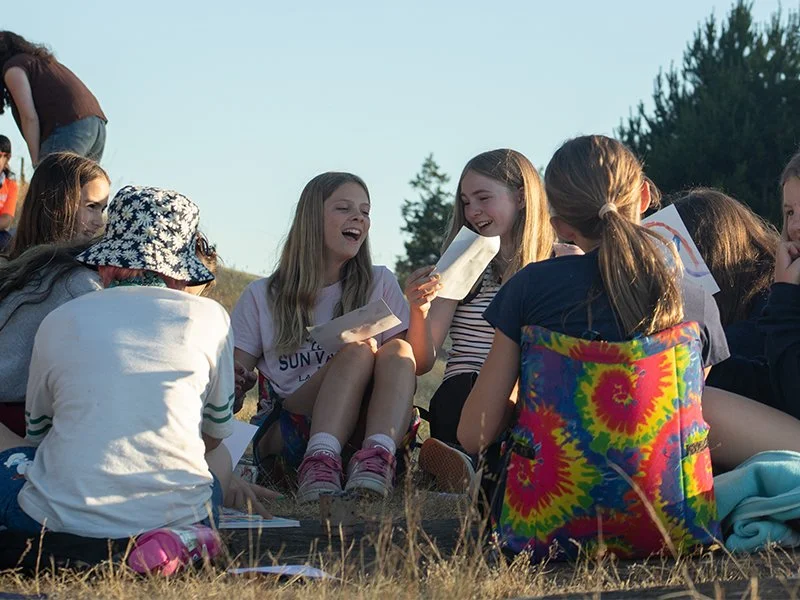
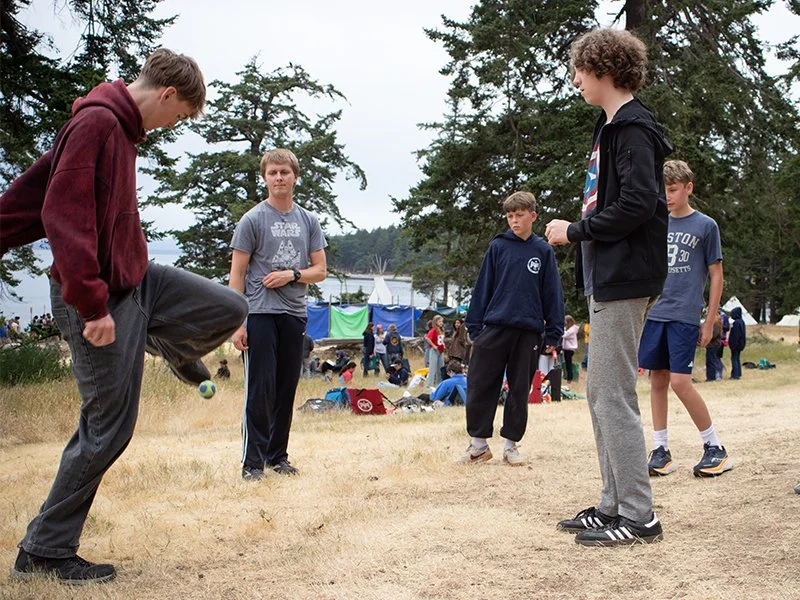
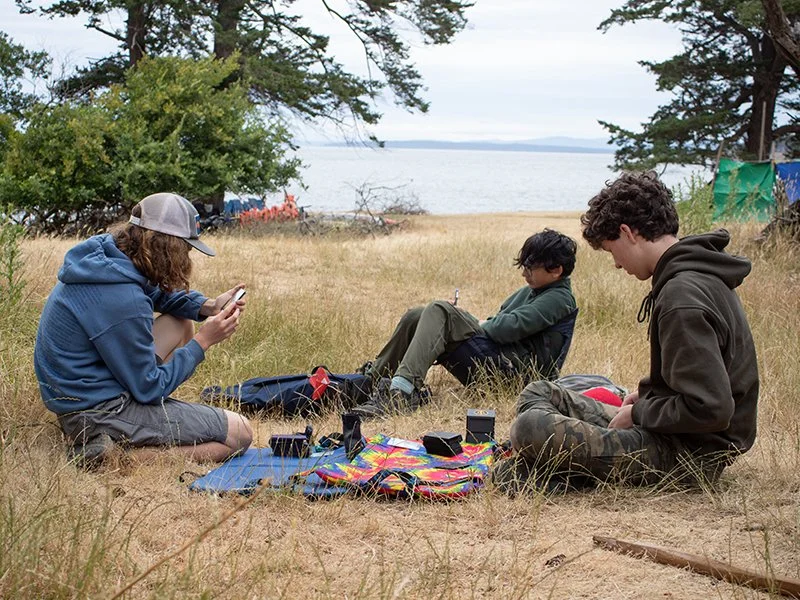
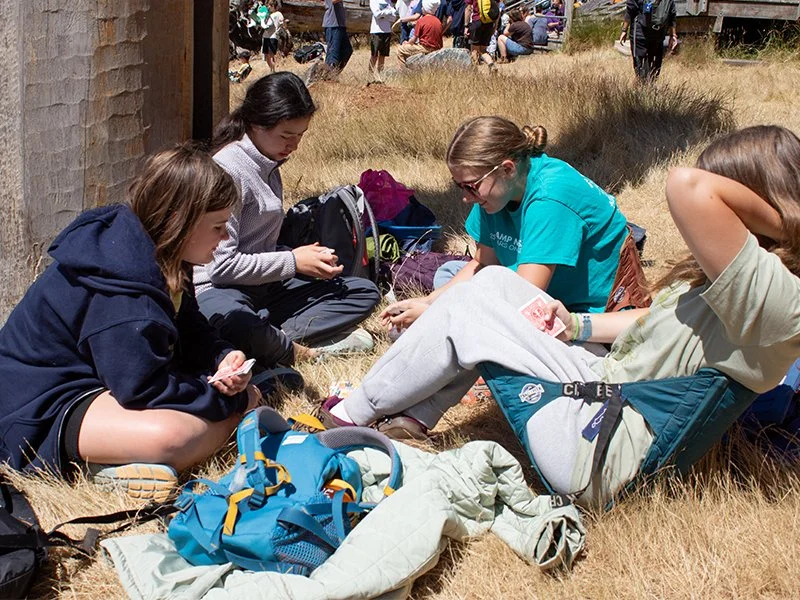
At Camp Nor’wester, campers get the chance to step into a different rhythm. On Johns Island, the focus shifts from notifications and feeds to the people and places right in front of them. Connection happens during meals at the Lodge, while laughing with unit mates, cheering each other on during activities, exploring the island, and singing together after a campfire, and in all the quiet moments in between.
Without phones and everyday digital distractions, campers have more space to be present. They notice the small moments: a conversation that turns into a friendship, a new skill that once felt impossible, or the feeling of accomplishment after trying something outside their comfort zone. Campers learn how to be bored; they learn how to fill time with things that interest them, with reflection, and with imagination.
Camp also gives young people the opportunity to grow their independence. Campers practice making decisions, solving problems without looking it up, working with others face-to-face, and taking responsibility for themselves and their community. Whether it is learning a new activity, joining a trip, helping a friend, or finding their place in a new group, these experiences build confidence that lasts far beyond the summer.
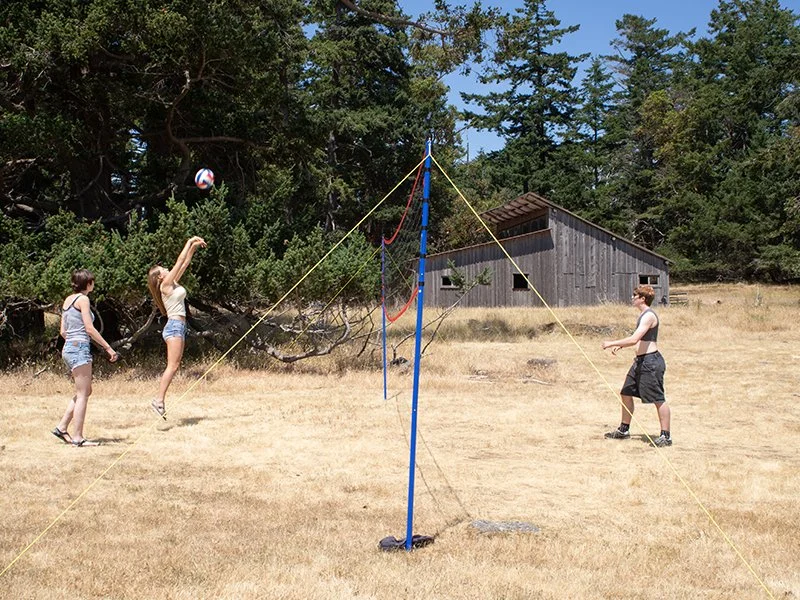
Research on youth development consistently highlights the importance of supportive relationships, belonging, and opportunities for young people to build competence and independence. Camp creates a unique environment where those skills are practiced every day - not through a screen, but through shared experiences and real connection.
The goal of camp is not to escape the modern world forever. Technology is part of young people’s lives. Instead, camp offers something increasingly valuable: time to slow down, look up, and engage fully with the people and world around you.
We stress the importance of protecting the screen-free experience to staff members during training. As a bonus, many staff also really benefit from stepping away from their phones and greatly reducing their screen time during the summer. In fact, during rehire interviews, many staff say that minimal screen time is one of the things that motivates them to return to camp.
Finding a Balance
Camp isn’t a 100% technology-free place (although wouldn’t that be cool). We work hard to use technology consciously and in a way that adds to the camp experience, rather than detracting from it. While we LOVE and embrace the magic of a handwritten letter, sometimes email is just the best way to disseminate information. Or perhaps, a family is traveling for the summer and unable to receive mail, we’re not opposed to printing letters to pass on to campers. There is exactly one phone available to staff to play music for campers and that must be pre-approved and intentional; for example, when the Milk Bucket Boogie and Pata Pata come on during dances.
The Year-Round Team all carry work phones for the summer for emergency communication but we are intentional about when and where they make an appearance and always aim to be subtle. The Summer Leadership Team and Lens Crew all work on laptops because (thankfully) the days of having to lug boxes and boxes of paper files between offices are behind us. However, anything that gets shared to the camp community does get printed out or handwritten and posted.
And then, of course, we must acknowledge that Camp Nor’wester has relatively active social media accounts. That’s just part of doing business in this day and age. There is a funny balance to maintain between celebrating being a technology-free space and sharing the camper experience online. Maybe having an online presence removes some of the feelings of separation between camp and the “real world” but at the same time, if we didn’t share online we’d miss out on all the fantastic staff and families who found us because of social media.
As a reminder, our goal is to provide glimpses into the summer experience at Nor’wester. To achieve that goal, we aim to share blog posts once or twice a week and post on social media most days while camp is in session. We are committed to allowing campers to have an experience that is their own and learning space for them to share their stories in their own way, whether through letter writing or in-person when they return home.
At Nor’wester, campers don’t just take a break from technology. They make memories, build friendships, discover new strengths, and become more connected to themselves and their community (and touch plenty of grass).