The Things Campers Learn That Aren't on the Schedule
When people think about camp, they often picture sailing around the islands, climbing to the top of the wall, tie-dying in the Craftshop, hiking through the woods, or singing around the campfire. Those experiences are certainly part of Camp Nor'wester, but some of the most important things campers learn aren't listed anywhere on the daily schedule.
They're woven into everyday life.
At Nor'wester, every meal, activity, trip, and conversation is an opportunity to practice skills that will serve campers long after summer ends.
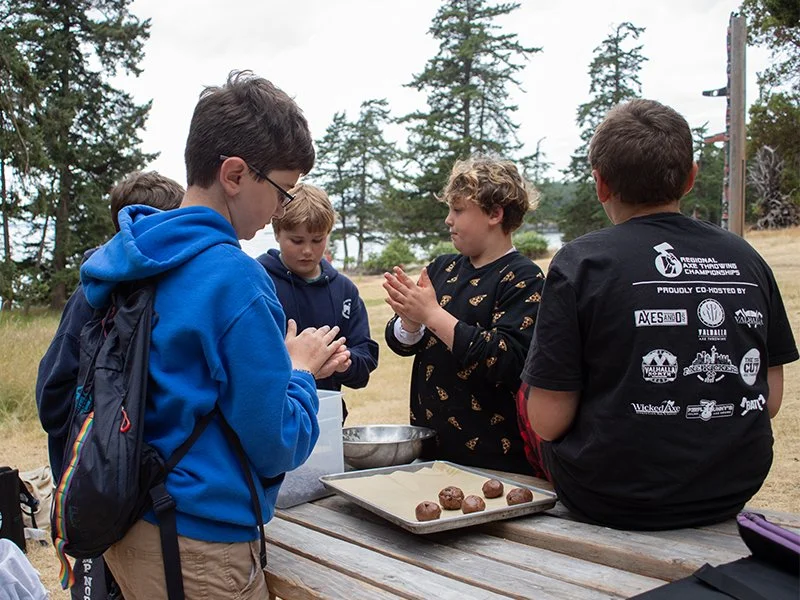
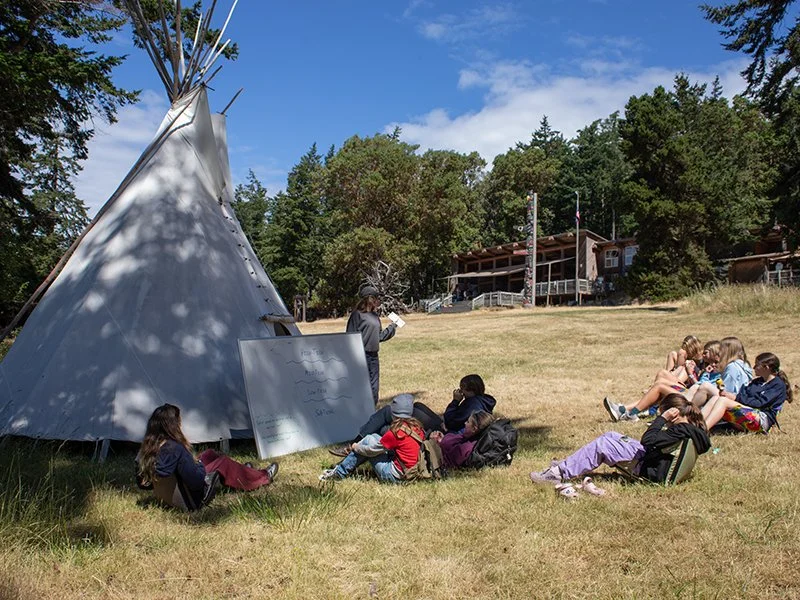
Teamwork isn't just something that happens during a sports game. It happens when a tent works together to keep their space clean, when a group paddles a Hunt canoe in sync, or when campers encourage one another through a challenging day on the Backpacking Trip. They quickly learn that everyone has something to contribute, and that success is often something we build together. Being able to navigate group tasks is a skill that many campers carry with them throughout their lives. Sure, they might not have to build a tarp shelter that fits 15 people when you know it’s going to rain in a setting outside of camp, but group projects at school or work suddenly feel less daunting once you’ve done that.
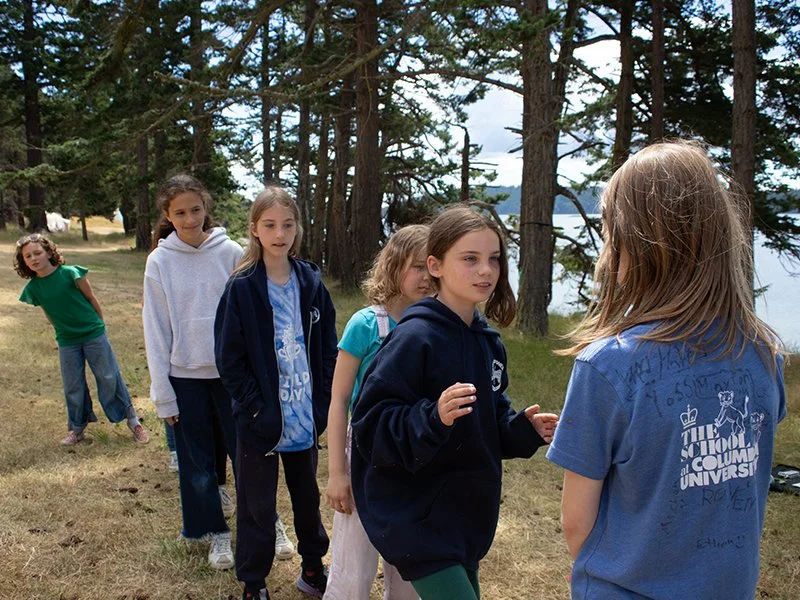
Communication grows in a place where conversations happen face-to-face. Campers learn how to ask for help, share ideas, resolve disagreements, and really listen to one another. Whether they're making plans with friends during free time or working together on a project, they practice communicating with kindness, honesty, and respect.
Communication happens in little ways like deciding who’s going to bletch at a meal or who gets to go to the ACE (Anyone Can Eat) table first. Communication also happens in big ways, like the unit that sets aside time to talk through large social dynamics or disagreements. Campers get to practice holding a conversation around the lunch table and debriefing their day with the unit around the firecircle.
Staff are called upon to model productive and healthy communication in how they work with each other, how they talk to campers, and how they lead group discussions.
“I believe both boys benefit from establishing personal interactions on a regular basis from kids their age, in order to foster more confidence in their interpersonal communication, and have more experiences that didn't revolve around entertaining each other.” - A First-Year Parent
Patience is another lesson that quietly becomes part of camp life. Learning a new skill takes time. So does adjusting to a new community, waiting your turn to get seconds at a meal, or supporting a friend who's moving at a different pace through the Ropes Course. Camp gives young people the chance to slow down, embrace the process, and celebrate progress instead of perfection. Camp is about understanding that everyone brings something different to the table and we don’t all navigate things at the same pace.
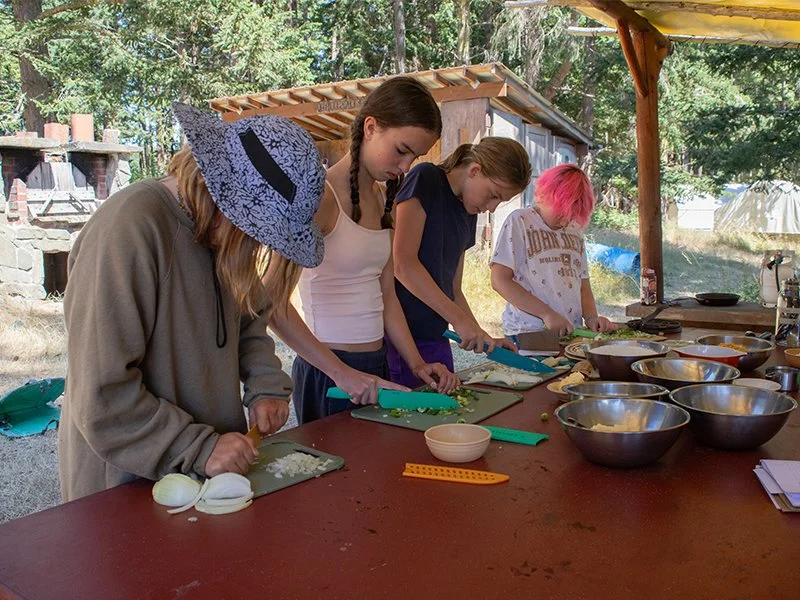
Campers also develop a greater sense of responsibility. They care for their own belongings, help care for shared spaces, contribute to their unit community, and take ownership of their choices. They discover that being part of a community means looking out for one another and doing their part, even when no one is watching. Living in a community takes work. At camp, campers are expected to keep track of their own belongings, organize their living spaces, and learn how to prepare for the day ahead by packing their backpacks (obviously, staff are there to help them learn these skills).
From picking up trash to conserving water, campers and staff alike are expected to pitch in to care for the community. Every unit gets the opportunity to do JOY (cleaning the showerhouses and outhouses) each week and regularly clean the Lodge. On special occasions, the community comes together to build the Island Fair Day carnival booths and move tables in the Lodge for dances.
“I saw a huge improvement in my camper’s self esteem when she returned home from camp and she started high school this year with a sense of accountability and drive that I have not seen from her academically previously.” - First-Year Parent
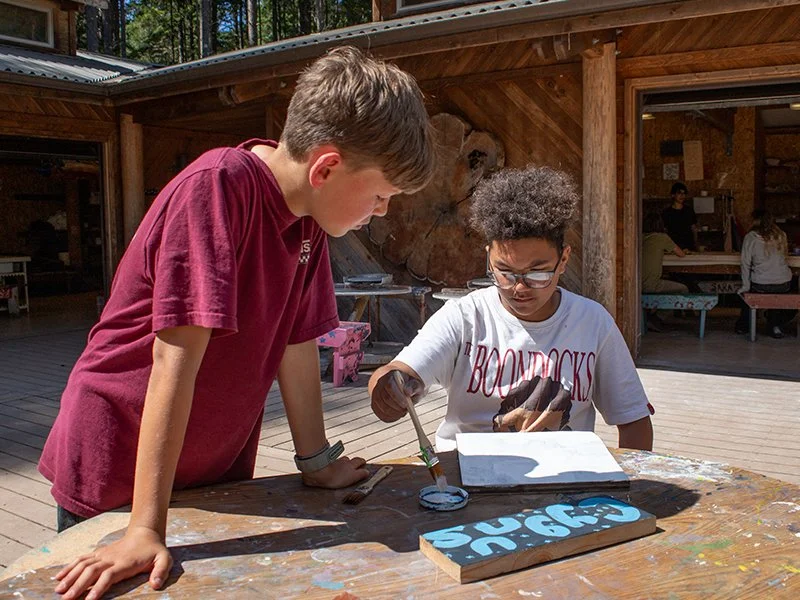
Along the way comes accountability. Campers learn that mistakes are a normal part of life. They practice apologizing when needed, following through on commitments, and learning from experiences instead of being defined by them. These moments help build confidence, resilience, and integrity. Staff look for opportunities to model these skills as well, they acknowledge their mistakes to campers and demonstrate following through with responsibilities. Accountability shows up in little things like cleaning up after yourself if you spill during a meal. Units hold themselves accountable through their Code of Living, an agreement made at the start of each session for how they want to show up with one another and for camp. Campers have ownership of their experience at camp; in many ways they get to dictate what they takeaway from the summer, how they approach each day, and how they want to feel about challenges.
Camp creates a unique environment where children have supportive relationships, opportunities to practice new skills, and the chance to reflect on what they're learning every day. Of course, campers may not realize all of this is happening while they're here. They remember the sunset on an overnight, the inside joke at lunch, the friend who helped them try something new, or the song they can't stop singing on the boat ride home.
But years later, they'll also realize they learned how to work with others, solve problems, take responsibility, communicate with confidence, and become part of something bigger than themselves.
That's the hidden curriculum of camp.
At Camp Nor'wester, we believe the greatest lessons often happen between the scheduled activities, in the everyday moments of living, learning, and growing together on Johns Island.