Growing Up at Camp; What It Means to Be an Oldest Camper
There is a moment every summer when you start to notice it.
A younger camper is watching an older camper.
Maybe they’re watching a Mountaineer make an announcement, a Troubadour teach a camp song, or an older camper step in to help when something needs to get done. The older camper may not realize they’re being watched. They’re simply doing what they’ve learned to do at Nor’wester: stepping up, helping out, trying something new, and looking out for the people and community around them. But those moments matter.
Soon you see the younger campers starting to copy the Troubadours and Mountaineers - little mannerisms, habits, hobbies, and mentalities start to get passed along.
One of the remarkable things about growing up at Camp Nor’wester is that leadership develops over the years. Campers return year after year, and as they grow, so do their skills, responsibilities, sense of self, and understanding of what it means to be part of a community.
Growing Into Leadership
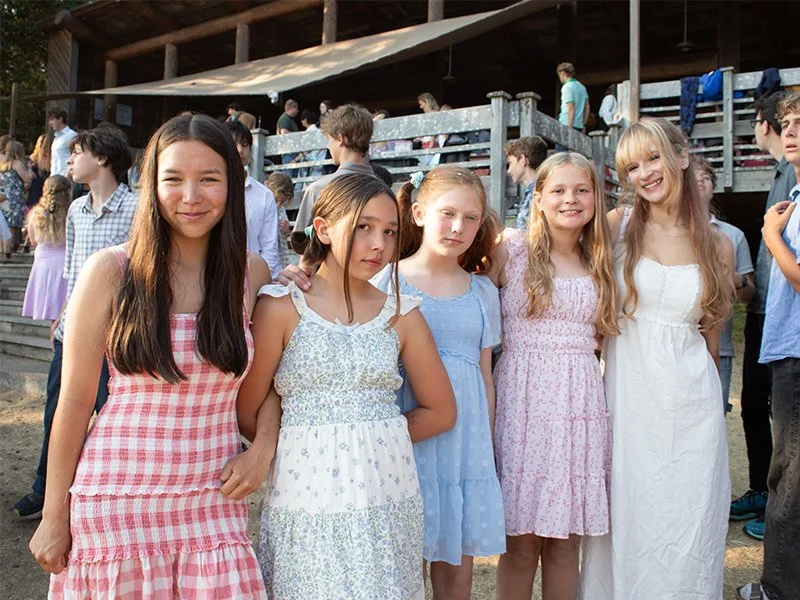
At Nor’wester, leadership isn't necessarily about being the loudest person in a group or standing at the front. It can mean noticing that someone needs help and stepping in, speaking up during a group conversation, helping a group make a decision, or encouraging someone who is struggling.
For returning campers, these opportunities build naturally. A skill learned one summer becomes something they can practice more independently the next. A challenge that once felt intimidating becomes a chance to help someone else.
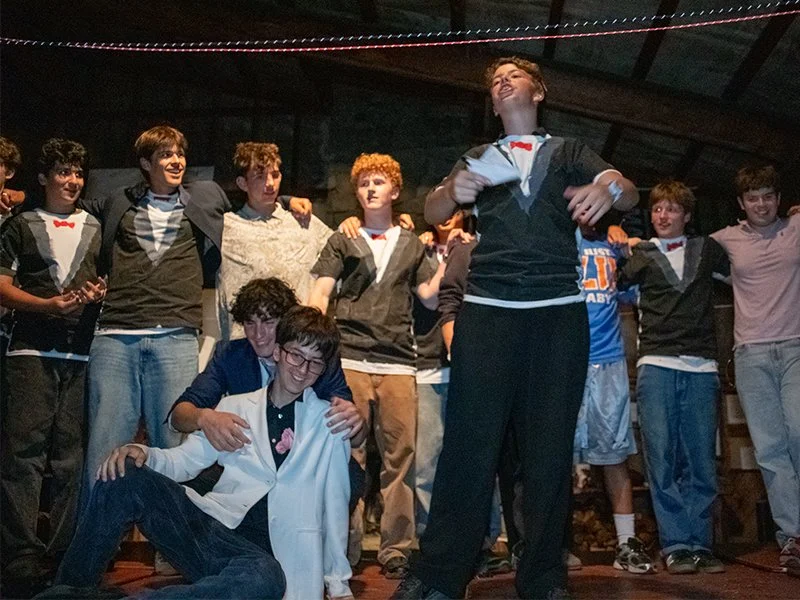
The first time a camper goes on an overnight, climbs, sails, paddles, performs at Musicale, or leads a group activity, they may need plenty of support. After several summers, they may be the person offering that support.
In his speech last night, Raven Team Captain Cameron Alfred focused on exactly that: support. He told the story of being a young Explorer struggling to right a capsized sailboat and failing to do so until his unit mates abandoned their ship to help him. He highlighted times throughout the past few years that staff and fellow campers provided caring support. What he could have talked about, but chose not to, was all the ways in which he’s provided support to friends, younger campers, and the camp community. Cameron’s unit is notorious for being the first to enthusiastically volunteer for any task. They are role models in the way they care for one another and for younger campers.
Service Is Part of Belonging
One of the clearest ways older campers grow into their place in the community is through service.
At Nor’wester, service isn’t always a formal project. Sometimes it means simply doing the work that needs to be done because you are part of the community; it’s the Spirit of the community.
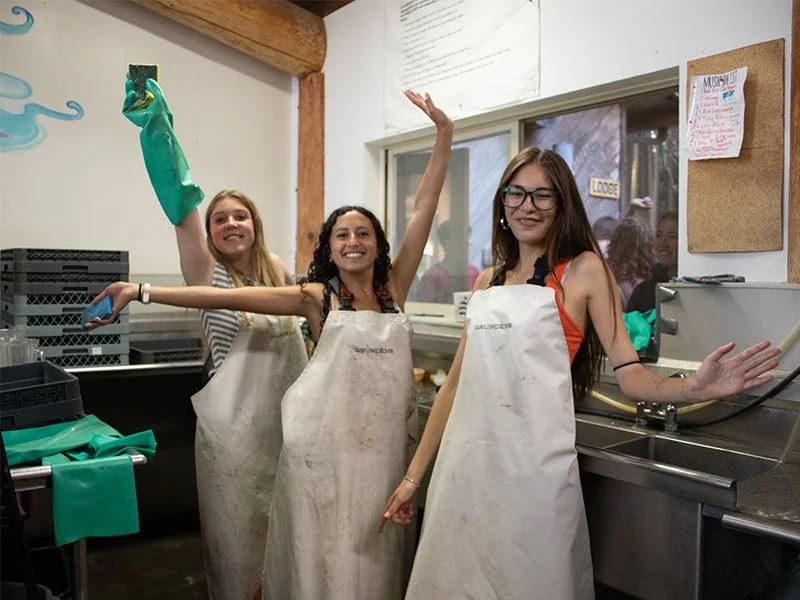
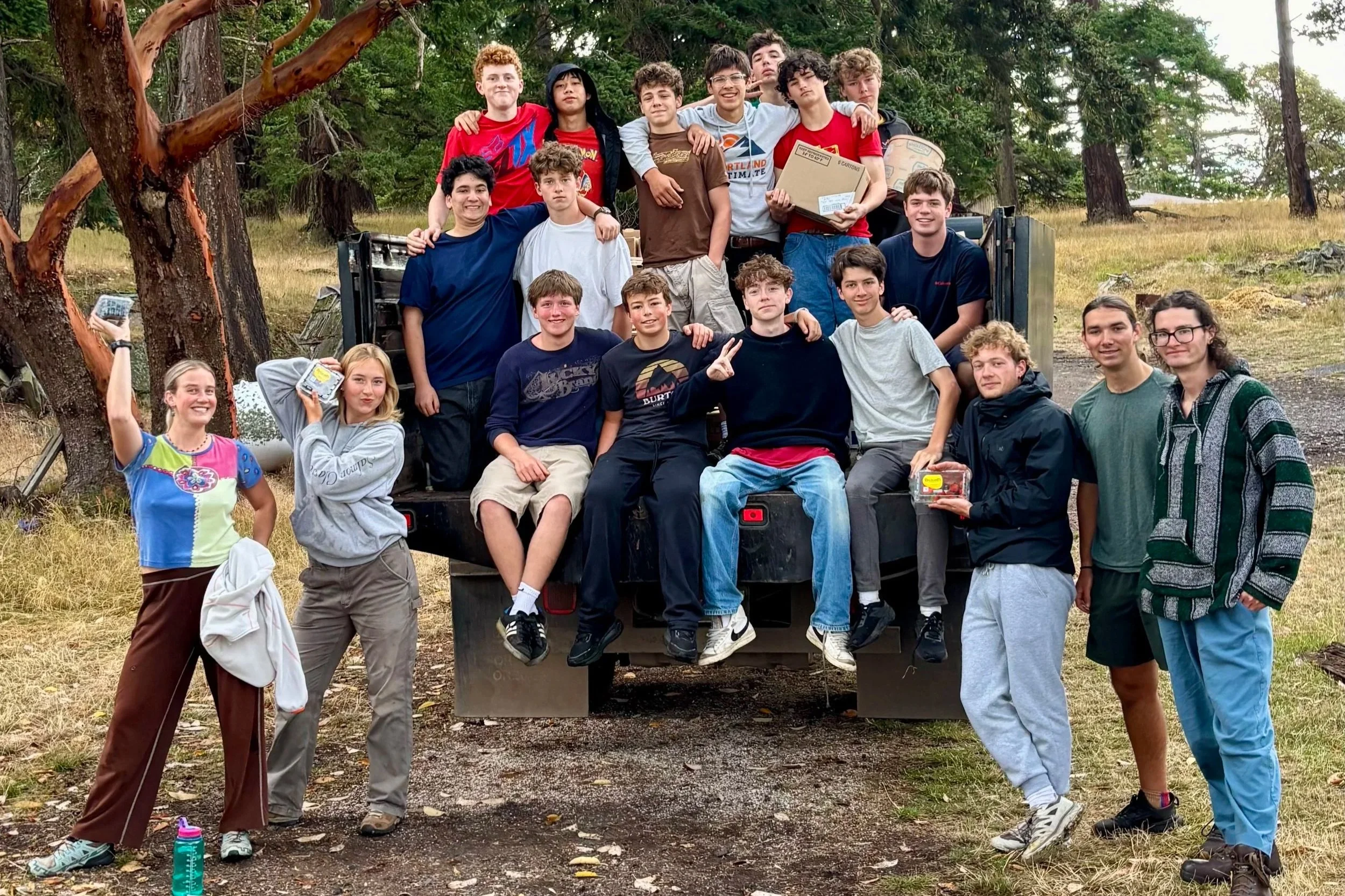
This summer, Mountaineers and Troubadours have been finding plenty of ways to pitch in. They've helped unload the barge when food orders arrive, taken turns washing dishes, and helped set up tipis for visitors. They've also found ways to make camp life a little easier (and a lot more fun.)
Their so-called "pranks" are a perfect example. Instead of harmless mischief, campers have been pulling helpful surprises: setting all the tables in the Lodge, for example, so that a task someone else would have had to do is already finished.
It's funny, it's unexpected, and it's genuinely useful.
That spirit captures something important about growing up at camp: you start to notice what needs doing, and you learn that you can be part of making it happen all while having fun.
Becoming the Person You Once Needed
Every older camper was once the new kid.
They remember what it felt like to arrive without knowing anyone, to be nervous before an activity, or to wonder whether they would fit in. Over time, they become the person who can make that experience easier for someone else.
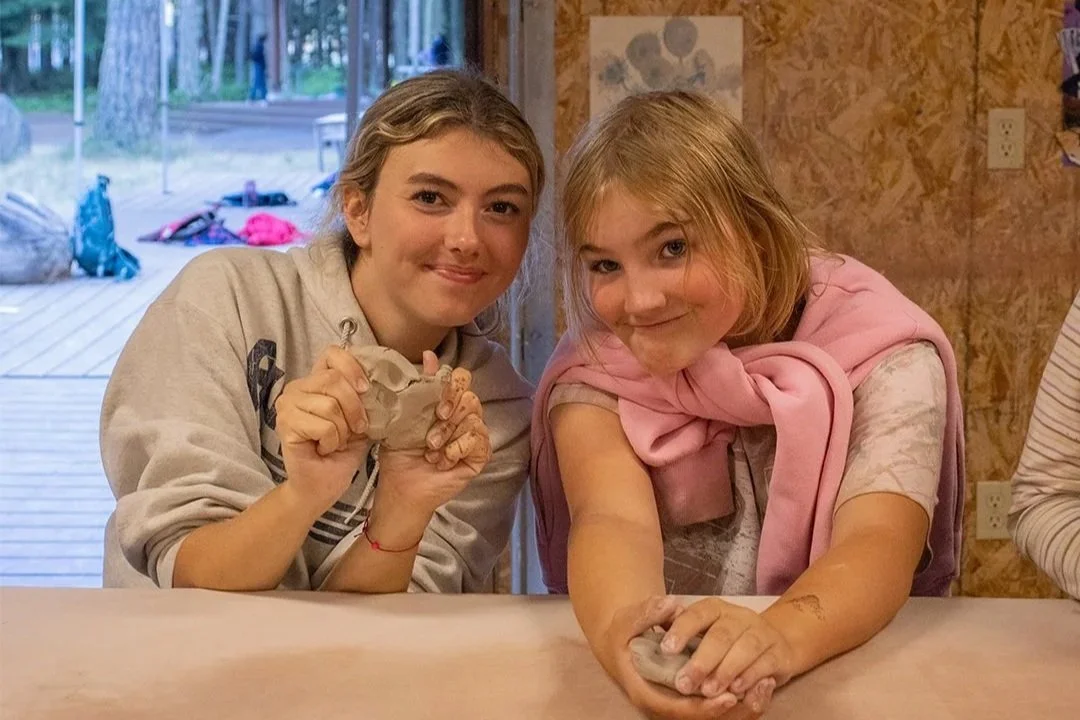
They show a younger camper where to go. They explain a song. They invite someone into a game. They encourage someone who is homesick or nervous. They demonstrate how to do something rather than simply telling them.
They may think, I'm just helping.
The younger camper may think, I want to be like them someday.
That is role modeling, and it is one of the most powerful ways Nor’wester's culture is passed from one generation to the next.
Archer-Troubadour and Explorer-Mountaineer Buddies is a longstanding tradition that formalizes the mentor role that older campers play. Unit Leaders plan specific activities for the oldest and youngest campers to get to know one another but the best part is watching Troubadours check in with their Archer Buddies before meals or Mountaineers sitting with their Explorer Buddies during Scramble Amble.
Honing Skills
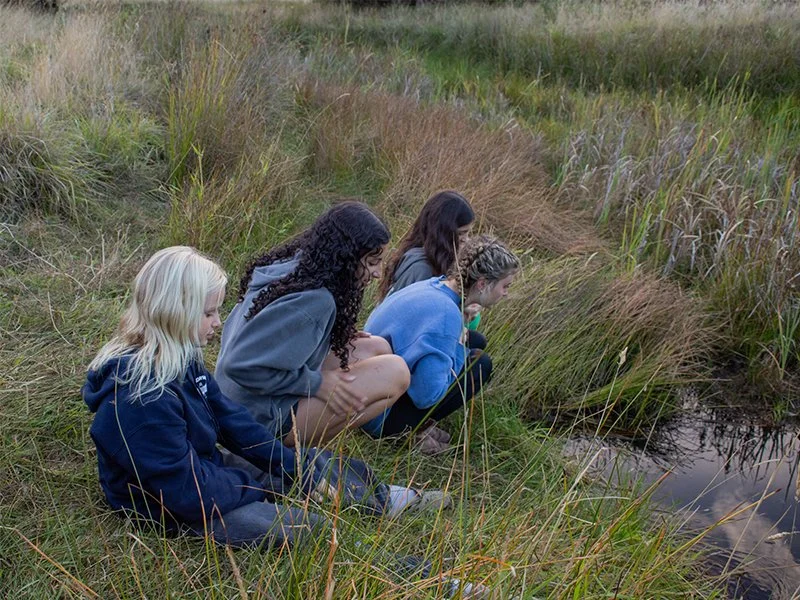
Returning to camp gives young people the chance to practice skills in a real community, over and over again.
Campers learn outdoor skills, but they are also practicing communication, patience, problem-solving, accountability, teamwork, decision-making, and resilience. They learn how to listen to a group, advocate for themselves, ask for help, and help someone else.
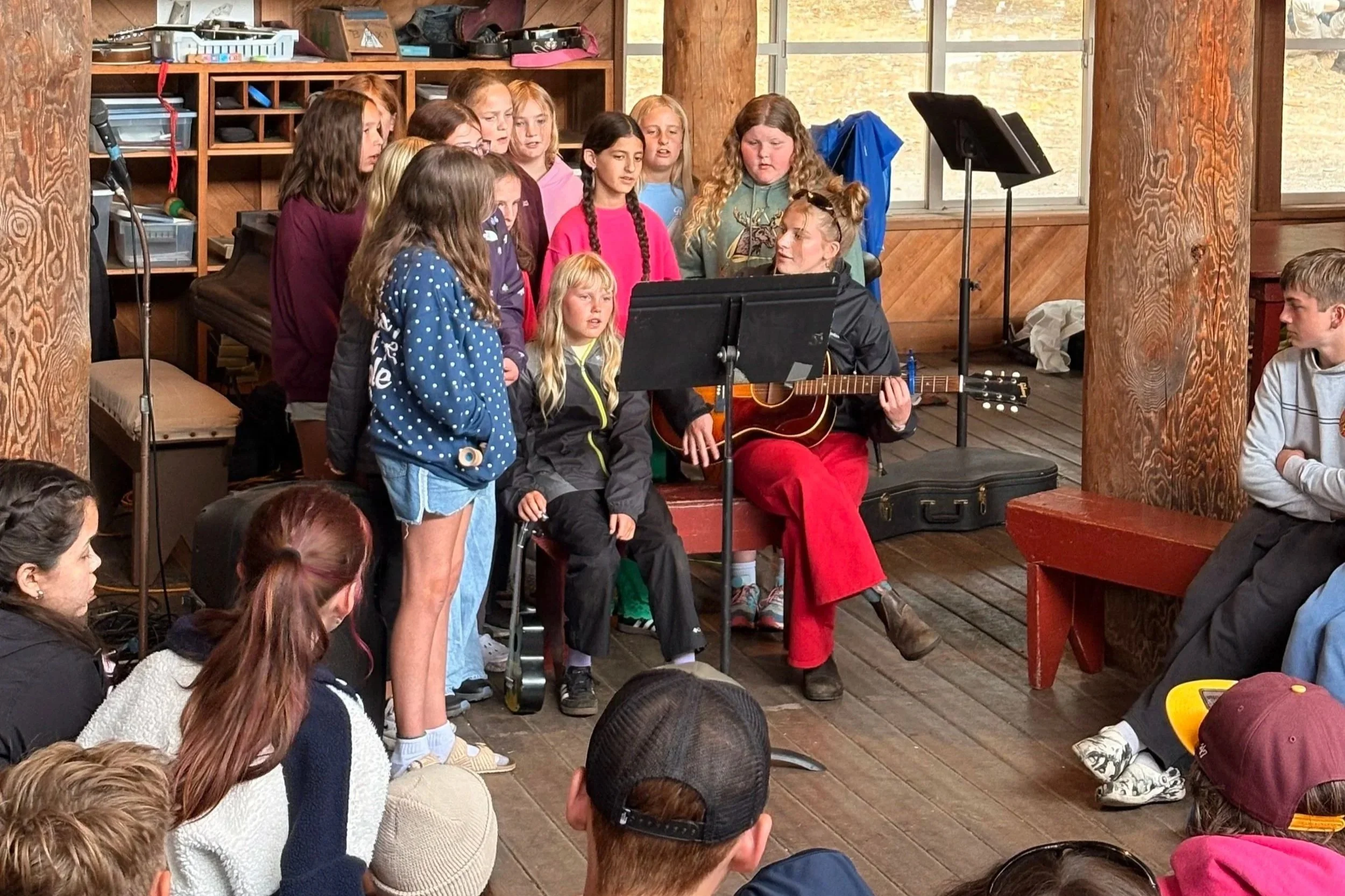
Older campers also take on opportunities to lead. They might lead singing, help guide a group through a trip, teach a skill, or take responsibility for a piece of camp life that once seemed like a staff member’s job.
The goal isn't to make campers independent overnight. It's to give them increasingly meaningful opportunities to try, make mistakes, reflect, try again, and eventually realize: I know how to do this.
Carrying Camp Forward
There is another kind of growth that happens when campers return year after year: they begin to understand that they are part of something bigger than themselves.
They know the songs because someone taught them. They know the rhythms of camp because someone showed them. They know how to encourage a nervous camper because someone once encouraged them.
And then they do the same for someone else simply by being themselves.
This summer, that meant a Troubadour leading the Lodge in a new song, a Mountaineer helping a younger camper navigate jumping for the first time, or pushing out the younger unit canoes on Island Fair Day.
These are small moments, but they add up.
Someday, They'll Be the Ones Teaching
The funny thing about growing up at camp is that it can be difficult to notice while it's happening. Campers are too busy learning how to belay, planning a campfire, making friends, cleaning up after dinner, rehearsing for Musicale, or simply enjoying a sunset.
Then suddenly, they're one of the older campers.
They know the songs. They know the trails. They know how camp works. They have stories of their own. And they have younger campers watching them the same way they once watched the older kids.
That's when something becomes clear: growing up at Nor’wester isn't just about becoming more capable. It's about becoming more responsible for the community around you and embracing your own fun, silly, goofy, unique self along the way.
Leadership grows through practice. Service grows from belonging. Skills grow through repetition. Confidence grows from being trusted with something meaningful. Community comes from develop strong relationships, through all the ups and downs, with your unit mates and demonstrating your love for them each day. And role modeling happens every day, often without the person doing the modeling ever realizing it.
Every generation of Nor’wester arrives ready to learn from camp. Eventually, they discover that they have something to give back. They become the people who carry the songs, the skills, the traditions, and the spirit of service forward.
And hopefully the Troubadours and Mountaineers return soon as staff for a whole new type of leadership and growth.