
Behind the Adventure: How a Camp Trip Comes Together
When campers set off on a Kayaking Little Big Trip, shoulder their backpacks for an overnight, or sail toward the outer islands, it can feel wonderfully spontaneous—with a little bit of the unknown. Packs are loaded, charts come out, bikes start rolling, and the adventure begins.
But behind every trip are hours, days, weeks, and months of thoughtful planning. Every route, meal, piece of gear, staffing assignment, and safety plan is considered long before campers lace up their hiking boots or buckle their lifejackets.
Preparation isn't about eliminating adventure. It’s about creating the conditions for campers to explore confidently, take healthy risks, and discover what they’re capable of while knowing experienced staff are there to support them.
Whether a group is headed to the other side of Johns Island or spending five days in the North Cascades, every trip has the same intention: create meaningful experiences in the outdoors while helping campers build skills, confidence, resilience, and community.
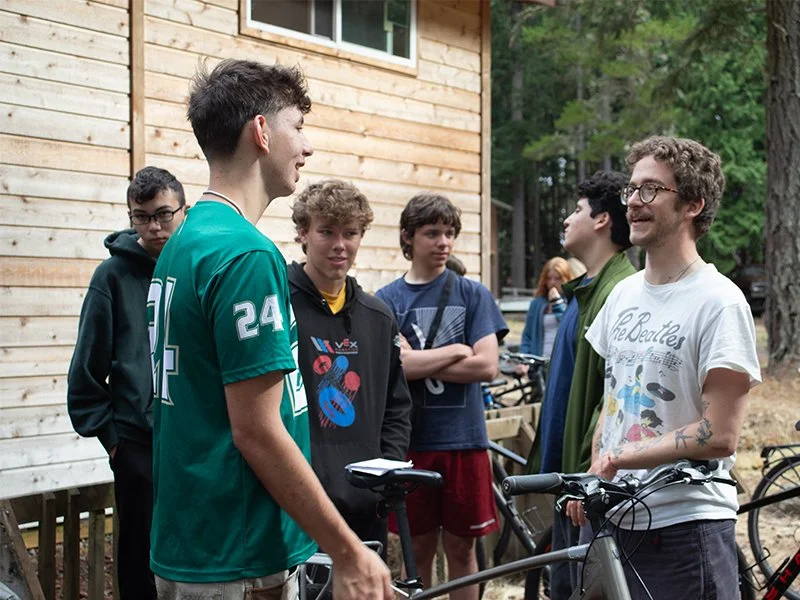
The 2nd Session Biking Big Trip goes through “Safety School”
Planning Never Ends
Trip planning doesn’t begin when campers arrive. In many ways, it never really stops.
After every trip, the trip leader completes a report documenting what went well, what was challenging, and what they would recommend doing differently next time. Trip staff also debrief with the Trip and Overnight Coordinator (this summer, that’s Ocean). Those conversations, along with the trip reports, help shape the trips that come next.
Once summer ends, the Year-Round Team digs even deeper. Harper takes the lead on camp’s trip programming and organizes off-season reviews of post-trip paperwork, looking or trends, recommendations, and ideas. She also processes incident reports to be reviewed by the Year-Round Team and the Safety and Risk Management Committee of the Board of Directors.
By fall, planning for the following summer is already underway.
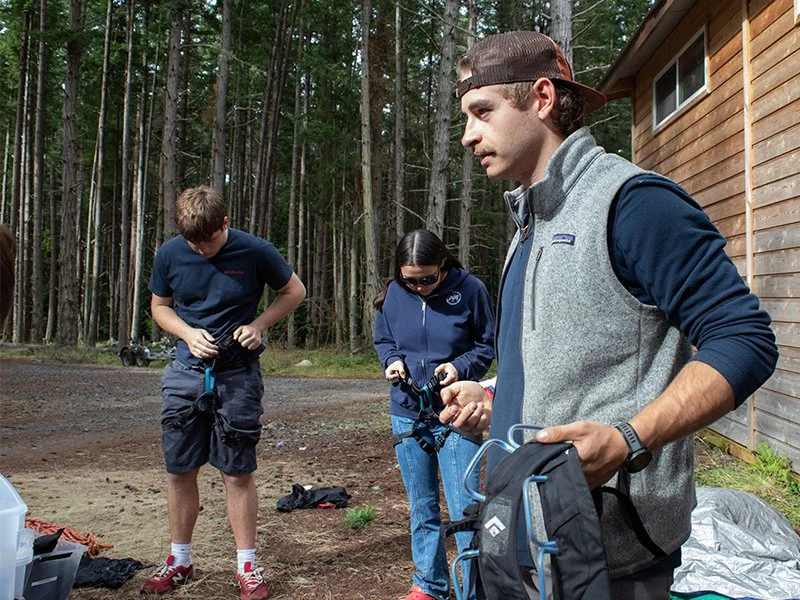
The 2nd Session Baker Mountaineering Trip learns how to properly fit a harness led by Andrew
Permitting begins as early as October. Camp Nor’wester generally holds several permits, each involving meetings, operating plans, multi-page applications, insurance forms, and annual use reports. Campground reservations open at different points throughout the year, often nine months in advance, and popular sites can fill quickly.
There are also meetings in the spring for the areas where Big Trips and Little Big Trips operate, as well as planning conversations with the third-party guides Nor’wester works with through BC Adventure Guides.
And then there’s the gear. In the fall and spring, Harper spends time on Johns inspecting equipment, figuring out what needs to be repaired or replaced, and making sure campers will have what they need when summer arrives.
By the time a campers arrive on Johns, there has already been a lot of work behind the scenes.
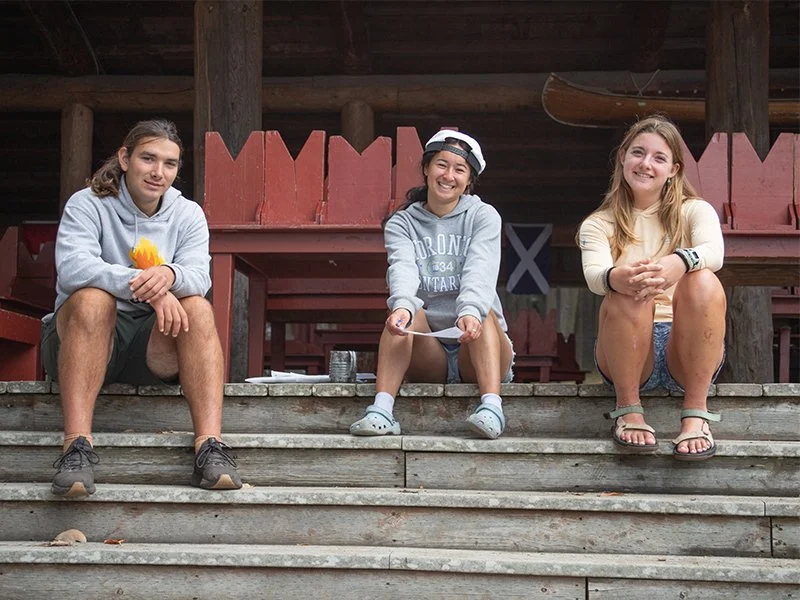
The 2nd Session Sailing Trip Leaders meet to chat through logistics on Packing Day
Training the Leaders
Trip preparation continues during Staff Training. All staff participate in training related to overnights, safety, risk management, and other parts of Nor’wester’s outdoor program. Staff who may lead or support an extended trip also participate in additional trip-specific training.
Each summer, Nor’wester hires Trip Leaders with experience and knowledge in particular kinds of trips. They take primary responsibility for planning and leading the Biking, Sailing, Backpacking, and Mountaineering/Climbing trips. Other trips are led by staff who are primarily hired for other roles at camp but hold the experience to lead trips.
Other staff members such as Unit Leaders, join individual trips based on their experience and skills. Once a trip team is assembled, they begin working through itineraries, policies and procedures, menus, emergency plans, and camper leadership opportunities.
It’s a lot of preparation for something that, from the outside, can look as simple as a group of campers walking down the dock with backpacks.
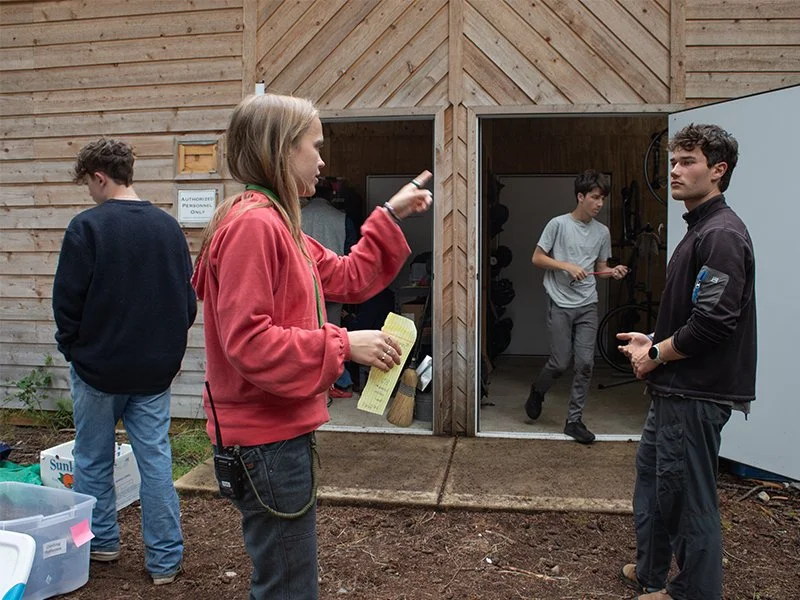
Trip & Overnight Coordinator, Ocean, works with Bike Trip Leader, Carter to prep gear.
Camper Assignments; One Part Fate, Two Parts Intention
Before trip staff can start planning with campers, they need to know who is going.
Trip assignments are a little bit fate and a lot of intention.
Before arriving at camp, campers rank their trip preferences and families indicate which trips their camper has permission to attend. From there, the Trip and Overnight Coordinator works through a multi-step process designed to give as many campers as possible meaningful trip experiences and, when possible, one of their top choices.
Some steps in the process involve literally drawing names out of a hat.
Once a draft list is settled, it is reviewed by the Health Center and Unit Leaders, who can flag concerns related to medical needs, group dynamics, and other considerations.
The goal isn’t simply to create a list of campers. It’s to create a group that can learn, challenge themselves, and work well together.
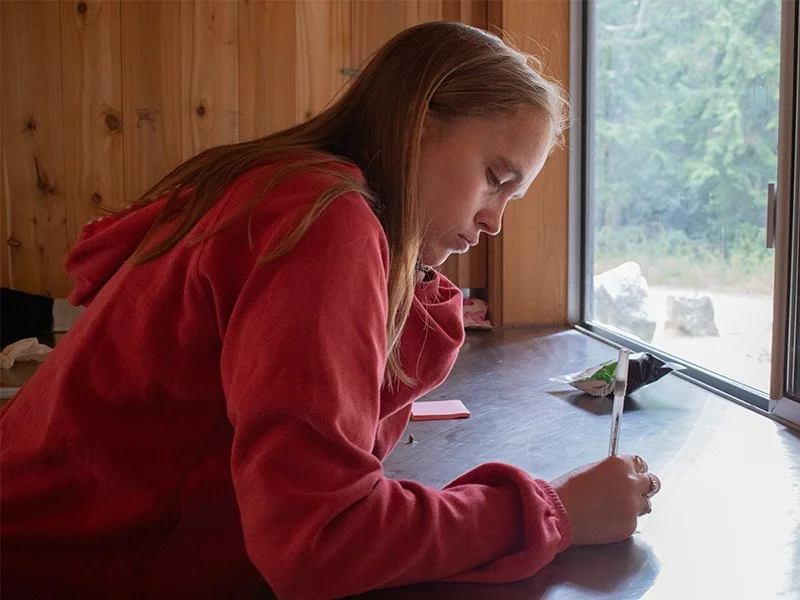
The Trip Overnight Coordinator plays many roles, especially on Packing Day, including helping get supplies from the Camp Store.
Finding the Best Route
No two trips are exactly alike.
Once groups are assigned, campers and staff begin planning together. They consider distance, elevation, tides, weather forecasts, campsite availability, water sources, and what the group hopes to experience along the way. Campers have a real role in this process, giving them ownership of their trip and helping them understand why decisions are made.
Sometimes the shortest route isn't the best one. Sometimes slowing down creates an opportunity to explore a tide pool, stop for lunch overlooking the water, or simply take a breath.
And sometimes the plan changes entirely.
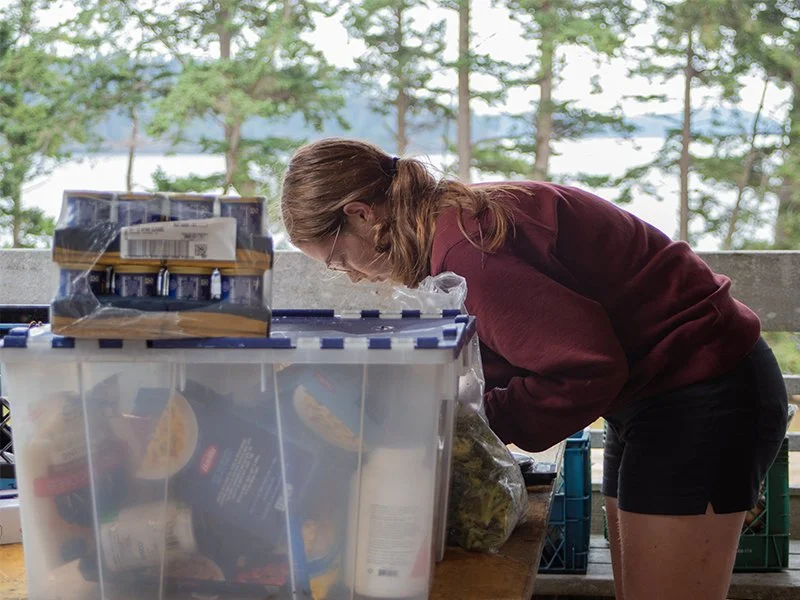
Madeleine, the Packout Manager, is responsible for organizing and packing food and cooking supplies for all trips and overnights throughout the session.
Flexibility is part of every adventure. Trip leaders pay attention to weather, conditions, energy levels, and the group itself, adapting when nature (or the campers) calls for something different. Campers are part of that process, too. They learn about emergency procedures, backup plans, and what to do when things don’t go exactly as expected.
Once the route begins to take shape, the group also plans its meals. Together, campers and staff create menus that account for dietary needs, water availability, long days, early mornings, and the realities of cooking and eating outside.
Planning gives a trip a framework. The adventure happens within it.
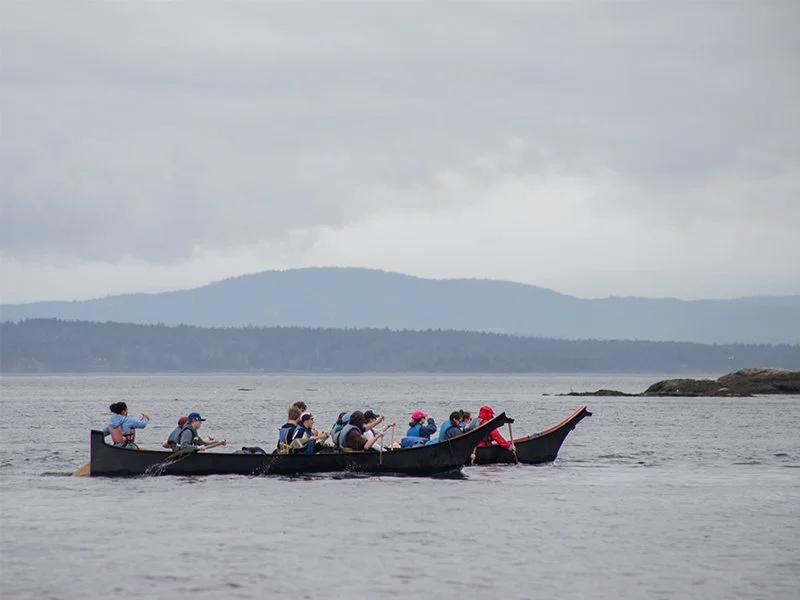
The 2nd Session Canoe Trip heads out early on a cloudy morning.
Packing with Purpose
Packing Day is when all that planning starts to feel real.
Campers gather their personal gear, group equipment, and food, learning not just how to fit everything into a backpack or dry bag but why each item matters.
Extra layers prepare campers for changing weather. Rain gear makes adventures possible even when the forecast shifts. Shared cooking equipment teaches cooperation, while personal gear encourages responsibility and independence.
Packing is its own kind of problem-solving. What do you actually need? What can you leave behind? How do you organize your gear so that the thing you need at the end of a long day isn’t buried at the bottom of your pack?
By the time a group is ready to leave, everything has been packed with a purpose—not just for comfort, but for safety and success.
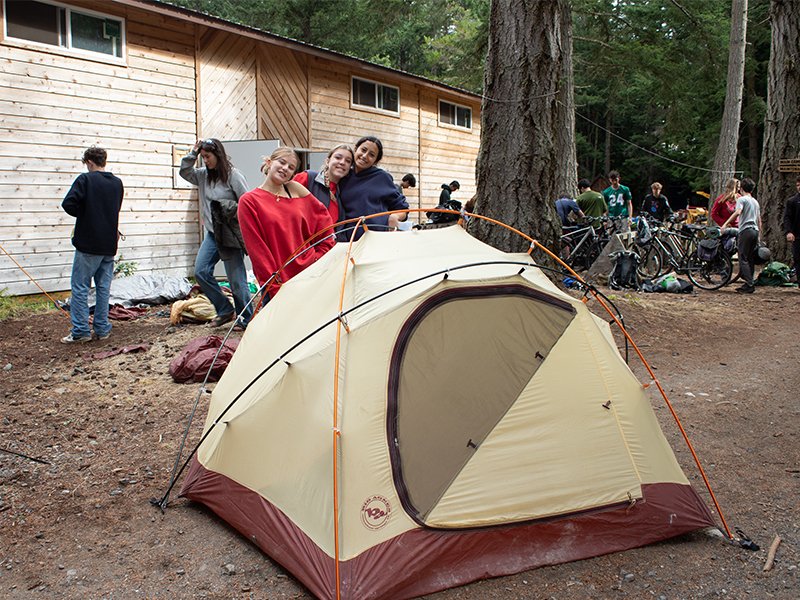
The 2nd Session Baker Big Trip tests out gear before packing.
Safety Makes Adventure Possible
Adventure and safety go hand in hand.
Before campers head out, staff review emergency procedures, inspect equipment, check weather and marine forecasts, prepare first aid supplies, and make sure communication plans are in place.
Good preparation doesn't mean knowing exactly what will happen. In the outdoors, that would be impossible. Instead, it means thinking through what could happen and making sure the group is ready to respond.
That preparation gives campers room to explore.
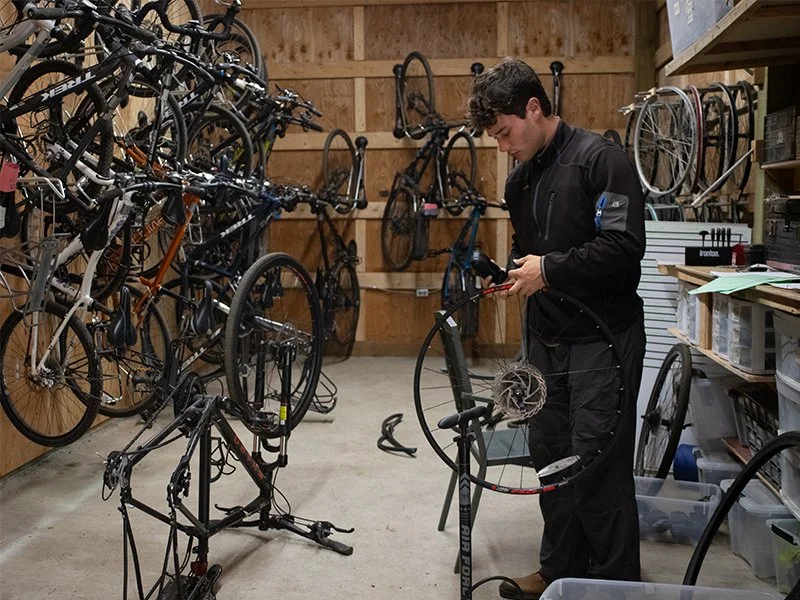
As Bike Trip Leader, Carter is responsible for tuning and checking all bikes ahead of trips.
The Best Part: Doing It Together
One of the greatest lessons of any trip isn't about reaching the destination. It’s about everything it takes to get there together.
Campers share cooking responsibilities, set up camp, carry group equipment, navigate as a team, and support one another through challenges.
Sometimes teamwork looks like helping someone adjust a backpack. Sometimes it’s encouraging a friend up a steep hill, paddling together into the wind, or laughing while washing dishes after dinner.
These shared responsibilities build communication, patience, accountability, and leadership. Campers quickly discover that everyone has something valuable to contribute.
A successful trip depends on many different kinds of people and skills. Someone might be great at reading a map. Someone else might notice that a friend needs a break. Someone might make dinner for everyone, while another person keeps the group laughing through a long afternoon.
Those are the lessons that stay with campers.
The hope is that they take them home, too: the teamwork needed for a group project, the patience required to solve a problem together, the confidence to make a plan, or even the practical knowledge of how to put together a reasonable menu for a backpacking trip.
The finished trip might look like four or five days of paddling, hiking, biking, sailing, climbing, or community service but the adventure starts long before anyone leaves Johns Island.
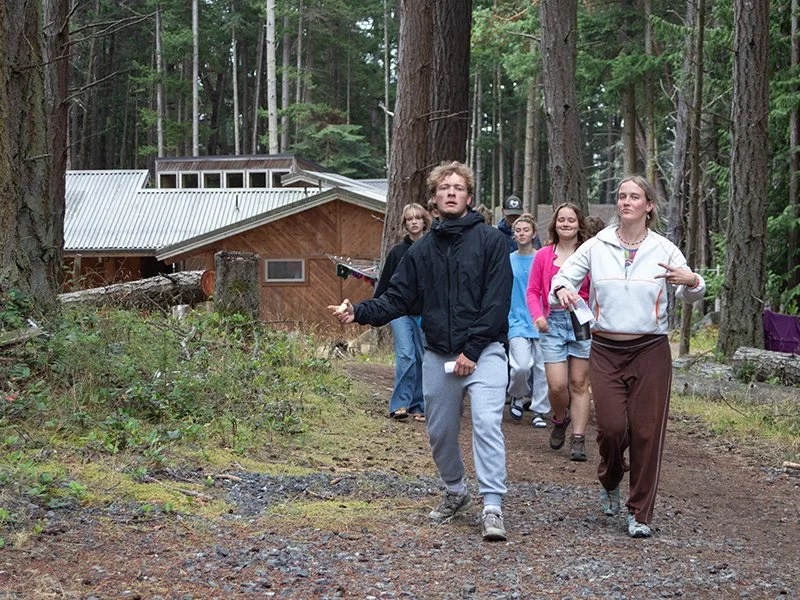
The 2nd Session Backpacking Trip ready to roll!
