
Prioritizing Youth Safety: Our Commitment During Child Abuse Prevention Month
April is Child Abuse Prevention Month, a time to reaffirm a responsibility that sits at the heart of everything we do at Camp Nor’wester: keeping young people safe.
At camp, we often talk about growth, connection, and belonging. Those experiences only happen when campers feel secure in their environment and trust the people around them. Safety is not just about preventing harm. It is about creating a space where young people can take healthy risks, build confidence, and be fully themselves.
At Camp Nor’wester, safety is not a single policy or checklist. It is a culture that is built intentionally, practiced daily, and reinforced through every layer of our program.
Hiring Staff
Protecting campers begins long before the first day of the season. Every staff member and volunteer goes through a comprehensive screening process that includes background checks, reference checks, and personal interviews. These steps help ensure that the people joining our team are not only qualified, but aligned with our values and expectations.
We also set clear standards around age, maturity, and responsibility. Staff are expected to understand the weight of their role and the trust that families place in them. This foundation allows us to build a team that is prepared to lead with integrity from day one.
Training
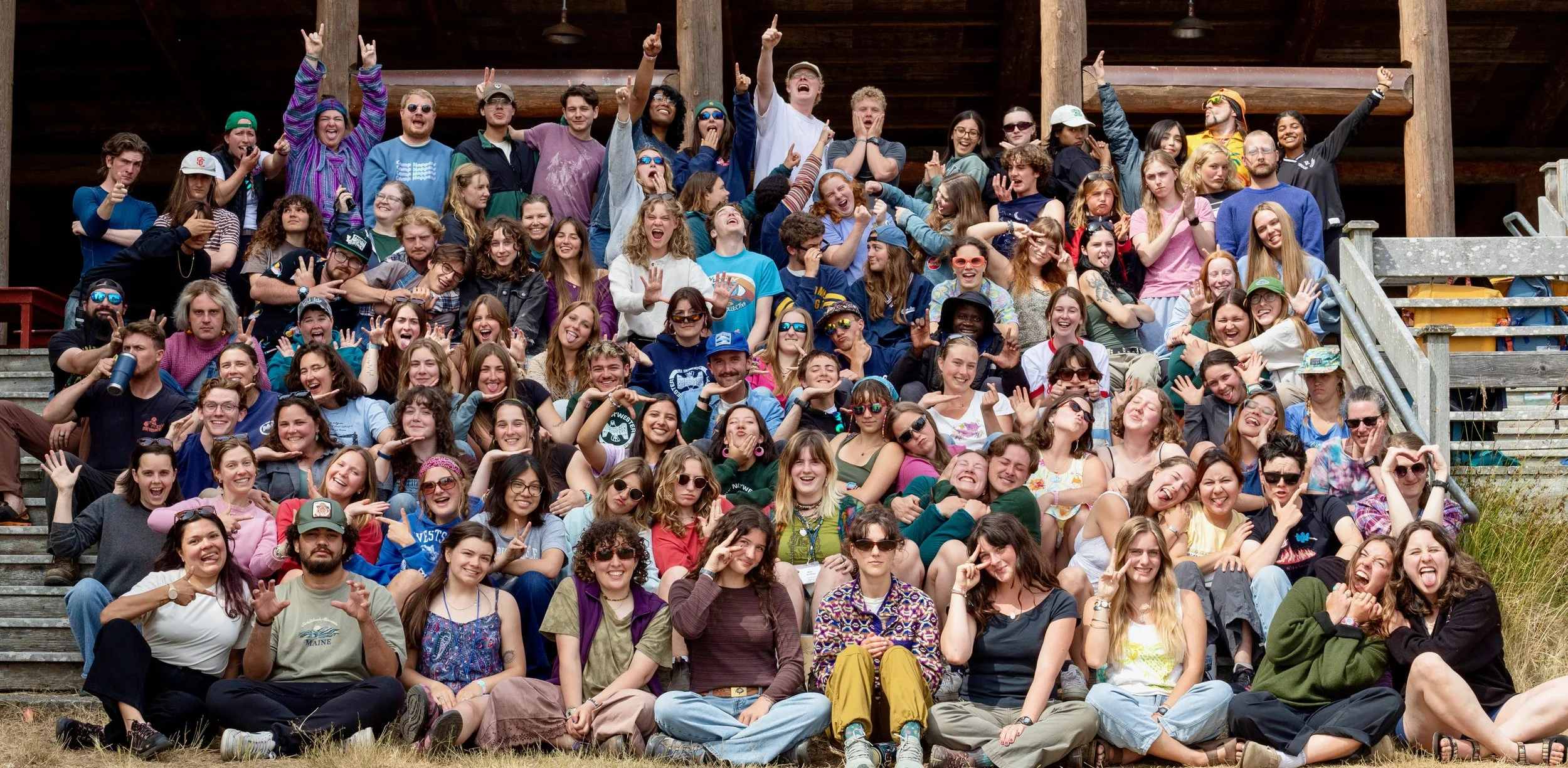
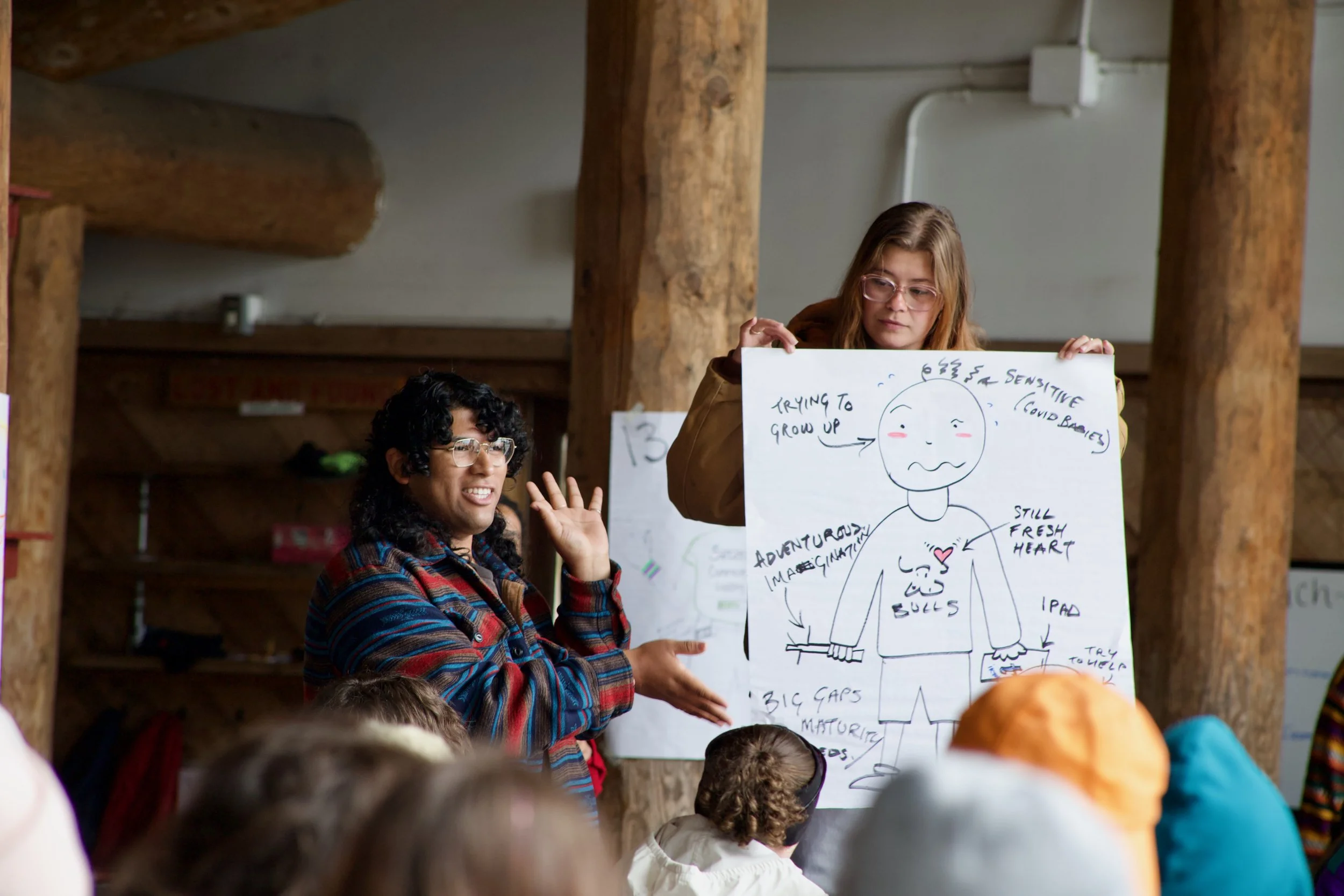
Before working with campers, all staff complete extensive training focused on child protection, supervision, and youth development. This includes recognizing signs of abuse, understanding mandated reporting laws, and learning how to maintain appropriate boundaries.
Equally important, staff practice how to apply these concepts in real situations. They work through scenarios, discuss gray areas, and build the judgment needed to respond thoughtfully and consistently. Safety is not always about obvious decisions, so we prepare staff to navigate the moments that require awareness, communication, and confidence.
This learning continues throughout the summer through regular check-ins, coaching, and reflection. We view training as an ongoing process rather than a one-time event.
Clear Boundaries
Strong relationships are at the core of the camp experience, and clear boundaries are what make those relationships safe and sustainable.
At Camp Nor’wester, staff are expected to maintain professional boundaries at all times. This includes avoiding one-on-one situations in private spaces, using appropriate and consent-based physical interaction, and keeping communication appropriate.
We are intentional about naming behaviors that cross the line, including favoritism, secrecy, sharing personal information, or any interactions that shift the focus from the camper’s well-being. By clearly defining these expectations, we remove ambiguity and support staff in making consistent, safe choices.
Preventing Harm Between Campers
An important part of abuse prevention is recognizing that harm can also occur between peers. At Camp Nor’wester, we take a proactive approach to setting community expectations and addressing behavior early.
Campers are expected to treat one another with respect and to understand the impact of their actions. This includes clear guidelines around:
Physical and emotional safety
Bullying, exclusion, and group dynamics
Respect for personal space and privacy
The importance of not keeping secrets about unsafe situations
We are explicit that harmful behavior is not dismissed as a joke, prank, or misunderstanding. When concerns arise, staff respond quickly to ensure safety, gather information, and involve leadership as needed.
At the same time, we recognize that camp is a place for learning. When appropriate, we work with campers to understand their behavior, repair harm, and rebuild trust within the community. When behavior crosses a clear safety line, we act decisively to protect others.
A Culture of Supervision
Supervision at camp is not passive. It is active, intentional, and constant.
Staff are trained to be engaged in the environment around them, paying attention not only to what is happening, but also to what might be developing. This includes noticing changes in behavior, group dynamics, or energy that may signal a concern.
We structure our program to support this level of awareness:
Activities and spaces are designed to avoid isolated one-on-one situations
Staff are positioned to maintain visibility and access across environments
Higher risk times such as free time, transitions, and overnight routines receive additional attention
Clear roles are established when multiple staff are present so nothing is overlooked
This approach helps create an environment where concerns are more likely to be noticed early and addressed before they escalate.
Mandated Reporting
All Camp Nor’wester staff are mandated reporters under Washington State law. This means they are required to report any reasonable suspicion of abuse or neglect.
We emphasize a clear and consistent message: staff do not need irrefutable proof to report. Their responsibility is to recognize concern and pass that information to the Director Team or appropriate authorities.
Training focuses on helping staff understand what rises to the level of concern, how to respond if a camper shares something sensitive, and how to follow reporting procedures without delay.
We also reinforce that reporting is a form of care. It ensures that trained professionals outside of camp can assess and respond appropriately.
Speaking Up
A safe environment depends on people feeling confident to speak up when something does not feel right.
Staff are expected to report concerns, policy violations, or boundary issues immediately. This includes concerns about other staff, campers, or situations that may pose a risk.
We also work to ensure that campers know their voices matter. They are encouraged to talk to a trusted adult if they feel uncomfortable, unsafe, or unsure about something they have experienced or observed.
Camp leadership is committed to responding to concerns promptly, maintaining appropriate confidentiality, and following through with action. We also have protections in place so that individuals who report in good faith are supported.
What Families Can Expect
At Camp Nor’wester, we believe that families should feel confident in both our systems and our approach. When you send your child to camp, you can expect:
A carefully selected and trained staff team that understands its responsibility to protect and support every camper
Clear and consistent supervision practices across all parts of the day
Defined boundaries that guide all interactions between staff and campers
Strong community expectations that address both individual behavior and group dynamics
Thoughtful, timely responses to concerns, with communication and partnership when appropriate
We also view families as partners in this work. Open communication helps us better support each camper and respond effectively if concerns arise.
Our Ongoing Commitment
Child Abuse Prevention Month is an opportunity to reflect, but this work continues every day at Camp Nor’wester.
We regularly review our policies, update our training, and evaluate our practices to ensure they reflect both current best practices and the needs of our community. We also pay attention to areas where we can improve, knowing that strong systems require ongoing attention.
Safety is not static. It evolves as we learn more, listen closely, and stay committed to doing this work well.
At Camp Nor’wester, we believe that every young person deserves a space where they feel safe, respected, and supported. That belief shapes our decisions, guides our staff, and defines the experience we aim to create.
